hey there
I'm a product designer focused on creating simple and meaningful digital experiences
info management
prototyping
notary management system
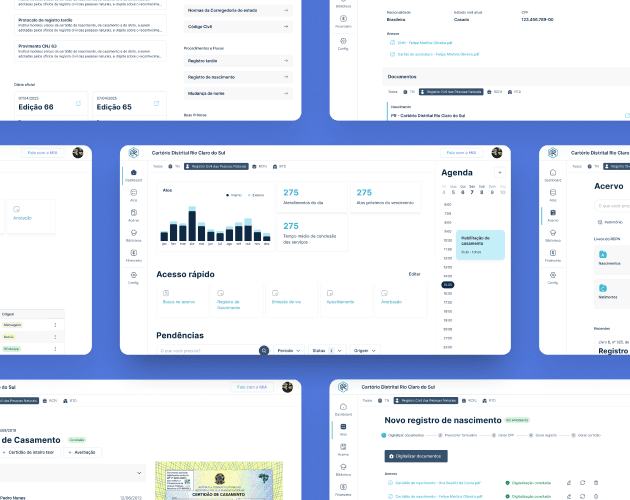
a prototype that reimagined notary workflows, focusing on efficiency, clarity, and user-friendly processes for document management.
team
Luiz Piccinin | product designer
Maylana Spricigo | product designer
Cintia Bittencourt | technical analyst
+3 users from notary office
about the project
the clients aimed to develop an intuitive web-based system that improves quality of life in the notary environment, reduces bureaucracy and operational costs, minimizes reliance on human labor for daily operations, integrates payment systems, allows customization, and provides performance indicators — all in compliance with data protection laws (LGPD).
the challenge
through the discovery process, we identified core challenges that shaped the direction of the solution. these challenges reflect the unique complexity of the notarial environment and the barriers to digital transformation:
💢 legal and regulatory complexity
a wide variety of acts, varying legislation by state, and specific obligations make standardization difficult and require constant updating.
💢 low technical qualification of operators
most operators have little familiarity with digital systems or legal language, requiring a minimal learning curve.
💢 lack of integration and high rework
absence or weakness in integrations with external systems generates manual overload, repetition of tasks and loss of productivity.
the approach
after a design sprint session, which I facilitated, we created a prototype focused on validating key structural decisions and user experience improvements. from this process, three core design approaches emerged to guide the product vision moving forward:
✨ modularity and customization by notary type
a flexible structure that adapts workflows, features, and terminology according to the notary type, ensuring legal compliance and contextual usability.
✨ operational efficiency with quick access and integrated AI
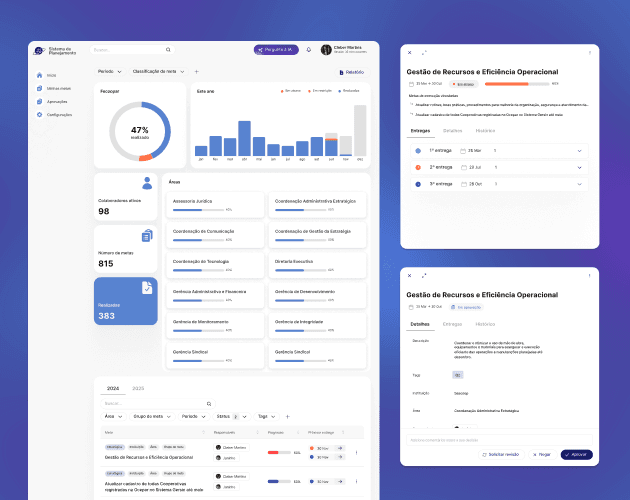
an interface focused on the most frequent tasks, supported by artificial intelligence to fill out, review, and generate documents automatically — reducing time and human error.
✨ information centralization with digital archive and client history
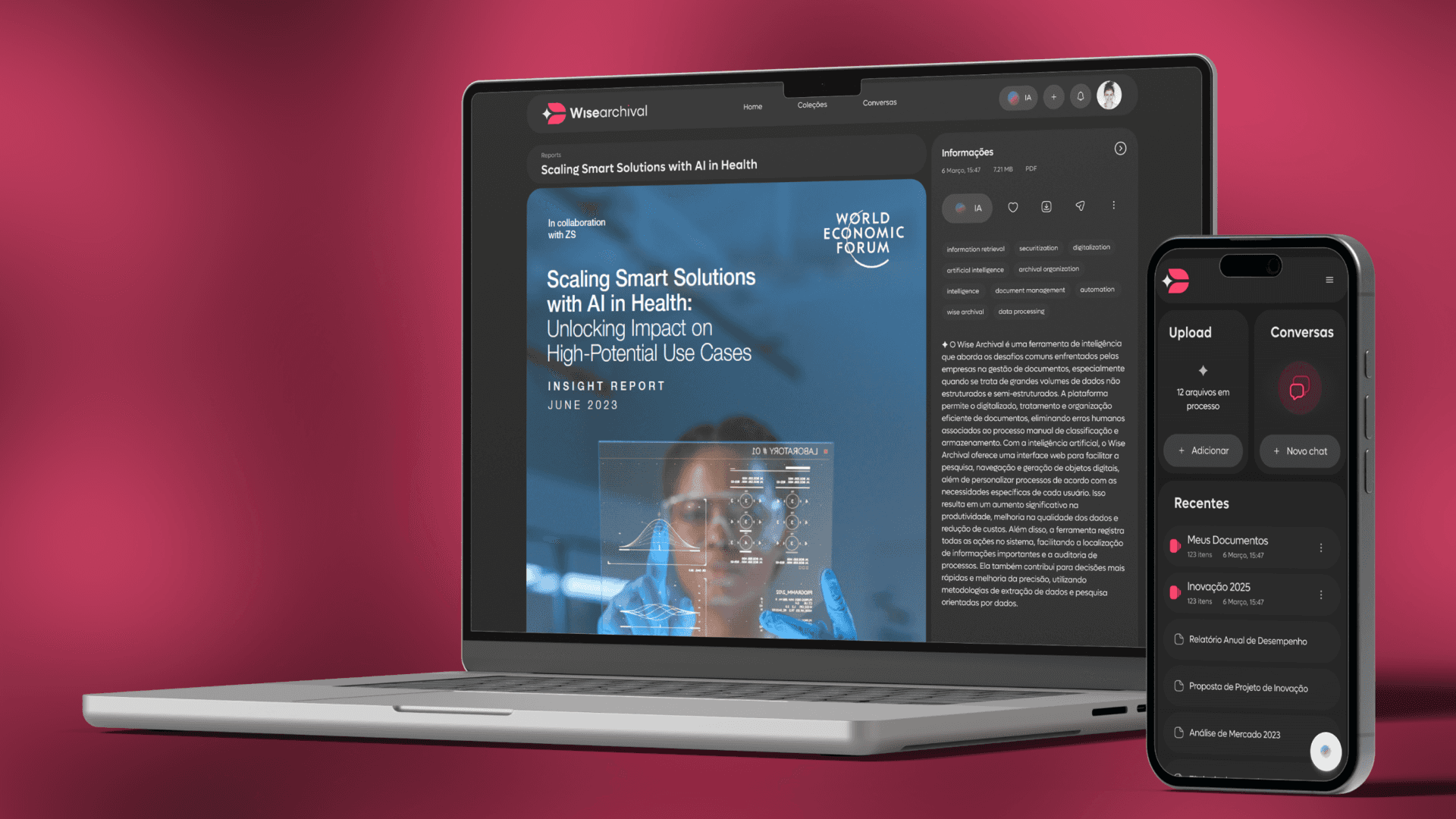
an unified digital environment where cliente profiles, act histories, linked documents, and process statuses are easily accessible and searchable.